

Simplify your farm store sales
Stop juggling multiple systems. Start managing your entire farm-to-table operation with one platform
built specifically for fresh, local products.
Compare features, pricing, and flexibility to see which platform better supports your farm store’s growth. From real-time inventory and custom subscriptions to faster onboarding and no long-term contracts.
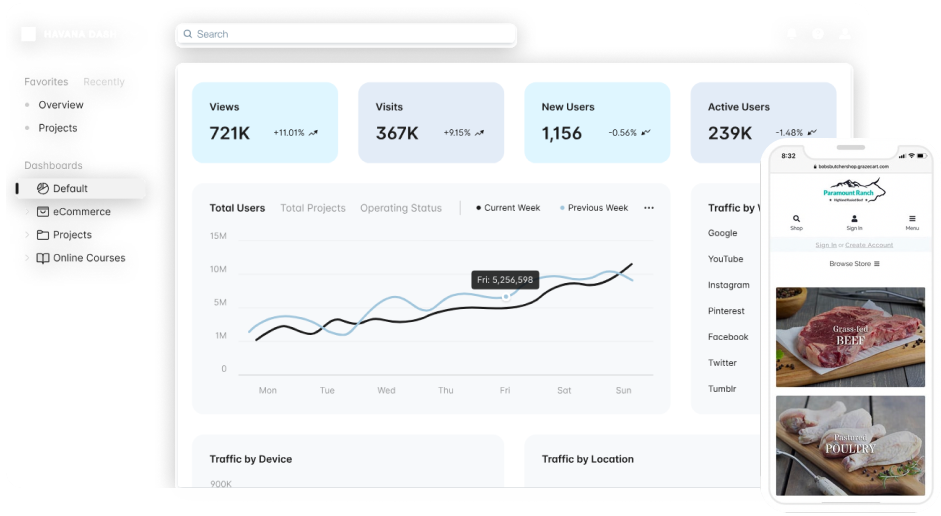

Let’s take a look at what makes GrazeCart the top choice for farmers like you.

Point of sale hardware is necessary for in-person sales, which can include an extra fee for the system or credit card readers.
POS software providers generally use a tiered pricing structure with basic features included in the lowest cost option and more advanced features included in the higher cost option.
Credit card processing fees can be a major line item in your business’ expenses, so choosing a plan that fits your budget is crucial.
A stress-free setup and onboarding process is essential for getting your new POS up and running with minimal snags.
Importing your existing inventory to a new system is one of the most crucial (and often one of the hardest) parts of migrating to a new system.
A trustworthy support team can help you make the most of your e-commerce and POS system and resolve issues whenever they arise.
Weight-based selling allows farms to charge customers for the actual weight of products like meat and produce, rather than estimated amounts.
Creating and managing product bundles, such as CSA boxes or mixed product offerings is an excellent way to increase sales.
Tools to manage recurring orders, including customization, scheduling, and billing, are essential for direct-to-consumer sales.
Setting different pricing structures based on customer location or delivery area helps manage deliveries.
Inventory details and history refers to the specific attributes and real-time tracking of each product, enabling efficient sales processing and accurate stock management.
A website builder is a platform that lets users create a website without requiring specialized expertise.
Access to marketing resources for guided coaching and promotions is key to expanding operations and increasing sales.
Real-time tracking of inventory across multiple channels, with detailed reporting and alerts, is essential for running your direct-to-consumer sales.
Assign customers to a group and set different product prices for the group.
Harvest reports help farms calculate exactly how much product to harvest based on upcoming orders.
Point of sale hardware is necessary for in-person sales, which can include an extra fee for the system or credit card readers.
POS software providers generally use a tiered pricing structure with basic features included in the lowest cost option and more advanced features included in the higher cost option.
Credit card processing fees can be a major line item in your business’ expenses, so choosing a plan that fits your budget is crucial.
A stress-free setup and onboarding process is essential for getting your new POS up and running with minimal snags.
Importing your existing inventory to a new system is one of the most crucial (and often one of the hardest) parts of migrating to a new system.
A trustworthy support team can help you make the most of your e-commerce and POS system and resolve issues whenever they arise.
Weight-based selling allows farms to charge customers for the actual weight of products like meat and produce, rather than estimated amounts.
Creating and managing product bundles, such as CSA boxes or mixed product offerings is an excellent way to increase sales.
Tools to manage recurring orders, including customization, scheduling, and billing, are essential for direct-to-consumer sales.
Setting different pricing structures based on customer location or delivery area helps manage deliveries.
Inventory details and history refers to the specific attributes and real-time tracking of each product, enabling efficient sales processing and accurate stock management.
A website builder is a platform that lets users create a website without requiring specialized expertise.
Access to marketing resources for guided coaching and promotions is key to expanding operations and increasing sales.
Real-time tracking of inventory across multiple channels, with detailed reporting and alerts, is essential for running your direct-to-consumer sales.
Assign customers to a group and set different product prices for the group.
Harvest reports help farms calculate exactly how much product to harvest based on upcoming orders.
Both GrazeCart and Barn2Door offer useful integrations, but with different approaches. GrazeCart connects with Mailchimp, Drip, Facebook Pixel, Google Analytics, and the add-on Marketplace to simplify marketing and analytics.
Barn2Door offers a broader set of third-party integrations like Avalara, QuickBooks, Routific, Shippo, Squarespace, and Stripe, though many add extra cost and complexity.
GrazeCart keeps core tools built-in for a simpler, farm store-focused solution.

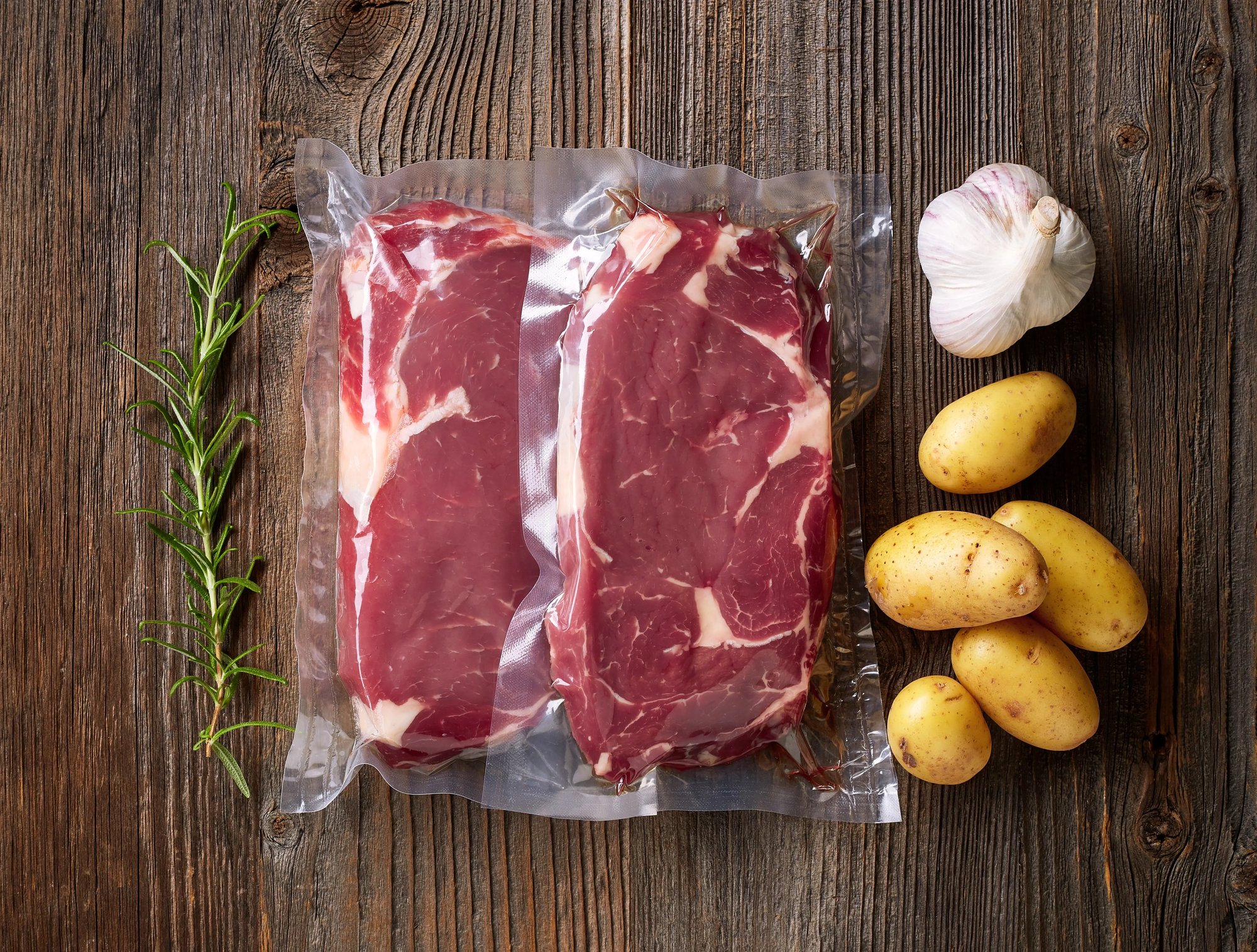
When creating bundles, GrazeCart automatically syncs inventory across suppliers.
For example, if a bundle includes steaks, potatoes, and garlic from three different suppliers, GrazeCart deducts inventory from each supplier’s stock in real time.
Barn2Door handles bundles and à la carte items as separate inventories, so inventory isn’t synced in real time between the two.