
 by
by 

The direct-to-consumer (DTC) farming market is growing. As more customers seek high-quality and ethically-raised foods, many family farms are cutting out the middleman and finding success running their own DTC farm businesses.
But getting started in DTC meat sales isn’t as easy as buying a couple of freezers, setting up a website, and waiting for the cash to roll in. To find long-term success and see your business grow, you need the right tools.
In this article, we’ll break down the basic elements you need for DTC sales and give you specific recommendations for tools you can use to take your business to the next level.
Core Components of DTC Farm Sales
Many farmers we talk to have done some DTC sales at a farmers market or other event, but have no idea how to scale that up into a business.
If you’re thinking of selling directly to customers, here are the core components you need:
- Inventory management system: These tools let you set up your products, set prices, and keep track of stock on hand automatically as you make sales and take orders. Farm-specific tools also track base products across product types (e.g., ribeye steak sold individually or as part of a bundle).
- E-commerce tools: E-commerce tools are the software and plugins you need to run a website, process payments, and sell your products online.
- Point of sale (POS): If you sell in person, either in a farm store or at a farmers market, you need a POS system to process payments and update your inventory.
- Sell-by-weight: Most farmers sell cuts of meat or produce, meaning they need systems specifically designed to integrate with food scales and price items by the pound.
- Scales and label printers: To sell by weight efficiently, you need accurate food scales with connected label printers so you can weigh an item, look it up in the system, and print it with the correct information and pricing.
- Marketing: A growing DTC farm business is built on communicating directly to customers, either through email or text message. There are also tools to personalize marketing based on a customer’s purchase history.
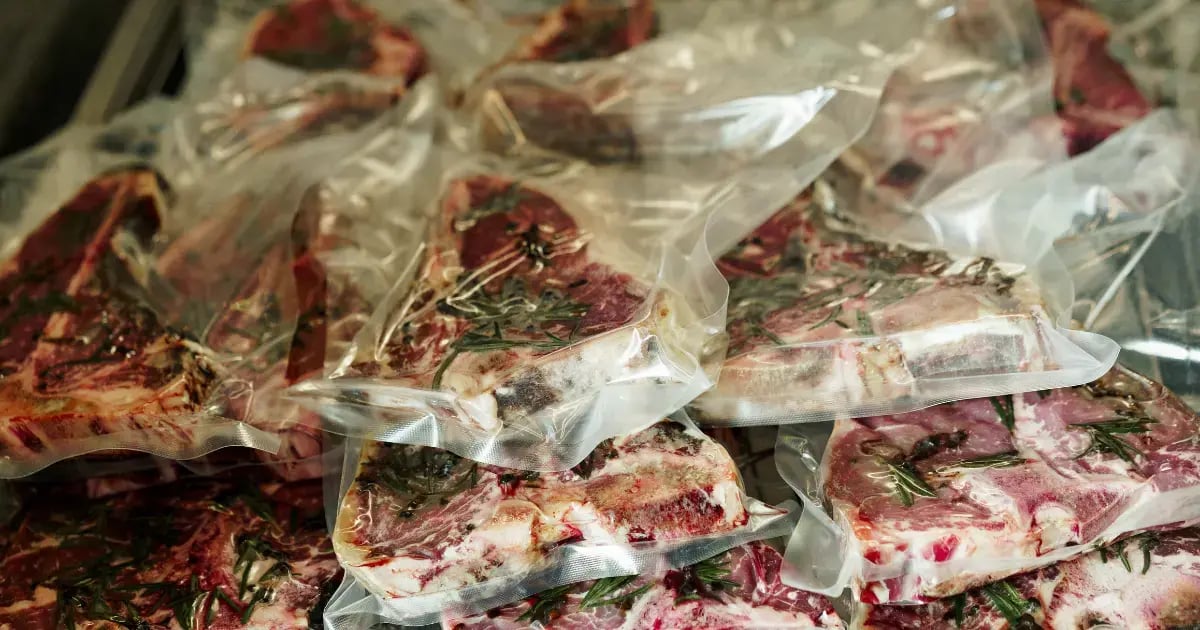
- Insulated packaging: If you plan to sell food online, you need to invest in insulated packaging, dry ice, cold packs, and other necessary supplies to keep food fresh. Whether you sell in person or online, consider using vacuum-sealed bags to extend shelf life.
In addition to software and hardware, there are aspects like cold storage and processing to consider.
If you’re feeling intimidated, remember: You don’t need to invest in expensive, commercial-grade solutions right off the bat. Start small with farm-specific tools. Then, when you’re more comfortable with DTC sales, you’ll know what kind of investments will make the most impact.
All-in-One, Managed Services, or Separate Solutions: Which Is Right for You?
When we talk about farm e-commerce or DTC sales, there are multiple ways to do it. Generally speaking, you have three options:
- All-in-one-tools: Tools specifically built for farm sales, like GrazeCart, have everything you need to manage inventory, run marketing, build a website, and process payments on a single platform. These are great for farm owners who may not be as tech-savvy, but still want a powerful, do-it-yourself tool.
- Managed services: Managed services like Barn2Door are a bit more expensive, but handle the website building and back-office logistics for you.
- Separate solutions: More tech-savvy farmers might want to build and host their own website, using various add-ons and plugins to get the exact functionality they need. That said, farmers who start with popular (and cheaper) options like Shopify often find it falls short for fresh food sales.
In our experience, an all-in-one solution is your best, most cost-effective way to sell directly to customers. It also gives you complete control over your website and marketing, which is essential for sharing your unique personality and expertise with the world.
10 Tools To Take Your DTC Farm Sales to the Next Level
Looking for specific recommendations for handy DTC farming tools? Here are our recommendations.
Inventory Tracking Software
If you’re tracking your inventory on spreadsheets, you’re doing more work than you need to. Also, you can’t run a DTC farm business by guessing what’s in your freezer.
A solid inventory management system is the foundation of DTC sales because it lets you move away from old-school (and intimidating) methods (e.g., selling a quarter or half cow) and start selling by specific cuts.
Farm-specific inventory tools allow you to track sales of items that have shared inventory inputs, too. In other words, if you sell ground beef eight different ways, you can still generate consolidated pick lists and track sales for “ground beef” as a whole, regardless of how it was sold.
Here are our recommended inventory tools:
- GrazeCart: GrazeCart is our e-commerce tool built by farmers. It allows you to track inventory by weight, generate consolidated pick lists, adjust pricing, manage orders, create product bundles, and automatically update information on your website — all from the same system.
- Farmbrite: Farmbrite isn’t specifically built for e-commerce, but instead allows you to fully track everything on your farm — from your inputs and equipment to your sales inventory and land costs.
- Tend: Tend is another comprehensive inventory tool for farms, including crops and produce tools. It can also integrate with e-commerce platforms for online sales.
Which tool is best largely depends on what you want out of it. Tend and Farmbrite are designed less for DTC sales and more for farm management as a whole (though they can plug into other e-commerce solutions).
GrazeCart is an all-in-one solution built for farm store sales, specifically meat and dairy. Either way, your first step to DTC success is to get away from pen and paper or spreadsheets.
Marketing Tools
Local farmers don’t just compete with other farmers, but with grocery stores and big-name meat subscriptions like ButcherBox. To stand out from the competition, you need to learn how to capture customers’ attention and bring them back for more.
The good news? You don’t have to be a marketing expert or spend thousands to get results. You just need to do some small things consistently.
Here are some useful tools to improve your marketing:
- Mailchimp: Email marketing might seem out of date, but it remains one of the most effective ways to bring in business. Mailchimp integrates with many POS and e-commerce systems and lets you automate marketing, segment customers, and more.
- Hootsuite: Successful social media marketing is all about personality and consistency. Hootsuite lets you create and schedule posts in advance so you can spend less time on logistics and more time coming up with fun social media ideas.
- Canva: Canva is a (mostly) free, web-based tool to create graphic designs. Use Canva to create a memorable farm store logo, elements for your website, or fun social media posts.
Your inventory and e-commerce software also play a major role in your marketing, since you can use customers’ purchase history to create targeted ads. For example, you might send out a 15% offer for a steak sampler pack to customers who’ve purchased any beef products in the last six months.
POS Systems
If you sell in person or a mix of in person and online, you need a reliable point of sale solution. POS systems do more than simply process payments — they also track inventory, manage vendors, track employee hours, and manage other aspects of your business.
There are many POS solutions out there, but not all are built for food sales. Here are a few options we recommend:
- Markt POS: Markt POS is specifically built for butcher shops and specialty food markets. In addition to advanced inventory tracking for weight-based and perishable items, it has features for marketing, customer loyalty, and vendor management.
- IT Retail: IT Retail was built by grocers, for grocers, but is also a great fit for physical farm stores that sell a mix of meat, produce, and shelf items.
The best part of a modern POS system is it creates a consolidated inventory across your physical and online stores. This way, your customers (and your employees) have an accurate view of what’s in stock, regardless of where they buy from you.
Delivery and Last-Mile Logistics
Selling your goods online is a great way to reach more customers — but how you get your delicious food into customers’ hands is vital for finding long-term success.
Until recently, many farmers asked customers to go to a processor to pick up their order. But this is asking a lot of your customers, not to mention you’re letting a meat processor act as the customer service for your business. In-store pickups are a step up, but still a pain for many people.
Finding a reliable cold shipping partner is a must to create a shopping experience on par with anything a corporate competitor can offer.
Some e-commerce platforms, including Grazecart, have connections with reliable shipping partners — but if you prefer to do it yourself, here are a few tools to make it easier:
- Shippo: Shippo partners with a wide range of carriers to give you access to the best rates and shipping options for local or nationwide shipping.
- Route4Me: Route4Me helps you optimize your last-mile logistics for local delivery, helping with optimal route planning and fleet management.
While not a tool per se, investing in packaging that looks great and keeps your food fresh is also highly recommended.
Related Read: How To Ship Meat: 5 Mistakes To Avoid
Start Your DTC Farm Journey the Easy Way With GrazeCart
Family farms like GrazeCart founder’s Seven Sons are finding long-term success by cutting out the middleman and selling directly to customers. But many farmers are intimidated to get started, worried that they need a massive tech stack and a dedicated IT person to keep things running.
We’re here to tell you it’s easier than you think. With the right technology, you can get help managing the logistics and reducing data entry so you can focus more on your passion and your customers.
GrazeCart simplifies selling fresh meat and dairy, giving you everything you need to run a modern, profitable farm business without dozens of complex or disconnected tools. With advanced inventory management, helpful sales reports, built-in marketing, a no-code website builder, and cost-effective shipping partnerships, GrazeCart is created to grow with your business.
Schedule a demo with our experts today to see how GrazeCart makes it easy to start selling straight to customers.
